How Speech Therapy Supports Kindergarten Readiness
Starting kindergarten is a big step. Many parents wonder if their child is ready in social, emotional, and academic ways. While parents often focus on recognizing letters or counting to ten, one skill matters even more: communication. Strong listening, speaking, and social language skills are at the heart of kindergarten success.
That’s where Kindergarten Prep Speech Therapy comes in. Speech-language pathologists (SLPs) do more than help with speech sounds. They help children develop language skills.
These skills are important. They help you follow directions. They also help you communicate clearly. You can make friends with these skills.
They are useful for participating in class. Finally, they help you start reading and writing. For children who need extra support or a confidence boost, speech therapy for kindergarten readiness can make a significant difference.
Why Communication Skills Matter for Kindergarten
Kindergarten introduces a new level of structure and language demand. Children are expected to:
If a child struggles with speech or language, these tasks can feel overwhelming—even if the child appears bright and capable in other areas.
Skills SLPs Assess for Kindergarten Readiness
Speech-language pathologists evaluate several key communication areas linked to success in early school settings.
1. Receptive Language (Understanding)
Receptive language refers to how well a child processes and understands what others say. SLPs look at whether a child can:
Children with receptive delays may seem inattentive or confused, when the real issue is difficulty interpreting language quickly enough.
2. Expressive Language (Speaking)
Expressive language skills include:
Children with expressive delays may become frustrated when they can’t find the right words or feel anxious speaking in groups.
3. Speech Sound Production (Articulation)
Clear speech helps children participate confidently and supports early reading skills. SLPs check whether a child can correctly pronounce common age-appropriate sounds and blends.
4. Social Communication (Pragmatics)
Kindergarten requires strong social language, including:
These skills help children connect with peers and navigate social situations with confidence.
5. Early Literacy Skills
SLPs also support pre-literacy foundations such as:
These skills support reading readiness and classroom confidence.
How Kindergarten Prep Speech Therapy Helps
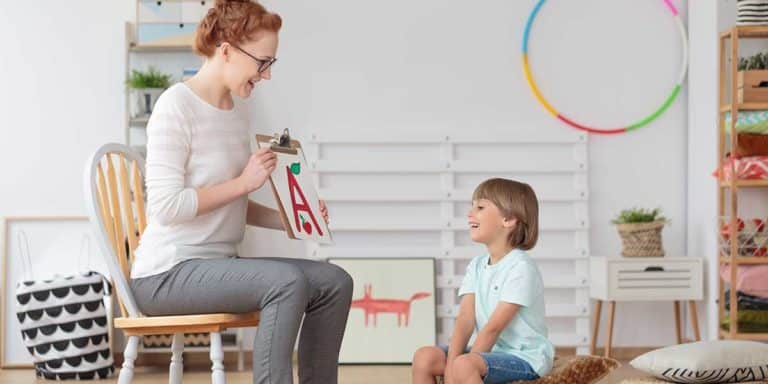
SLPs use individualized, play-based, and evidence-backed strategies to strengthen communication skills. Therapy may include:
Building Listening & Following-Direction Skills
Children practice listening with intention and following multi-step directions using visuals, games, and routines that mirror classroom structure.
Boosting Vocabulary & Sentence Skills
Therapists expand vocabulary through themed play and help children form longer, clearer sentences.
Improving Speech Clarity
Through targeted practice, children learn correct sound production and become more understandable to teachers and classmates.
Strengthening Social Communication
SLPs teach how to start conversations, take turns, join group play, express emotions, and solve conflicts in age-appropriate ways.
Developing Pre-Reading Skills
Activities such as rhyming, segmenting sounds, and storytelling support early literacy and prepare children for phonics instruction.
What Parents Often Miss About Kindergarten Readiness
Many families think kindergarten readiness means knowing letters or numbers—but communication is the real foundation.
SLPs want parents to know:
- Communication affects behavior.
- Many “behavior issues” are really language challenges.
- Kindergarten moves quickly.
- Children with listening or processing challenges may struggle to keep pace.
- Social skills matter as much as academics.
- Success in kindergarten requires sharing, turn-taking, and cooperative play.
- Early support prevents later struggles.
- Speech and language difficulties can impact reading, writing, and self-confidence if left unaddressed.
When to Consider a Kindergarten Speech Evaluation
A child may benefit from an evaluation if they:
Early evaluation ensures your child gets the support they need before school begins.
Final Thoughts: Giving Your Child a Confident Start
Kindergarten should be an exciting milestone—not a stressful one. Kindergarten Prep Speech Therapy helps children learn to communicate. It teaches them to make friends, follow directions, and join in confidently in class.
With the help of a skilled speech-language pathologist, your child can start kindergarten ready to learn and grow. Contact Therapeutic Potential to schedule an evaluation.