
Social-Emotional Benefits of Speech Therapy
When parents think about speech therapy for preschoolers, they often focus on clearer speech, better vocabulary, or improved sentence structure. While these skills are important, speech therapy offers far more than just language development. One of the most powerful and often overlooked outcomes is the positive impact on a child’s social and emotional well-being.
Preschool years are a critical time for emotional growth, relationship-building, and self-confidence. Communication challenges during this stage can affect how children interact with peers, express feelings, and handle frustration. Understanding the emotional benefits of speech therapy helps parents see how therapy supports the whole child — not just their words.
Why Communication Is Closely Linked to Emotional Development
For preschoolers, communication is the foundation of emotional expression and social connection. Children use language to:
When a child struggles to communicate, they may feel misunderstood, ignored, or overwhelmed. Over time, this can lead to frustration, withdrawal, or behavioral challenges. Speech therapy helps bridge this gap by giving children the tools they need to express themselves confidently and appropriately.
Building Confidence Through Speech Therapy
One of the most noticeable emotional benefits of speech therapy is increased confidence. Preschoolers who struggle with speech or language often become aware that they communicate differently than their peers. This awareness can cause:
Speech therapy provides a safe, supportive environment where children can practice communication without judgment. As their skills improve, children gain confidence in their ability to be understood, which carries over into classrooms, playdates, and family interactions.
Reducing Frustration and Emotional Outbursts
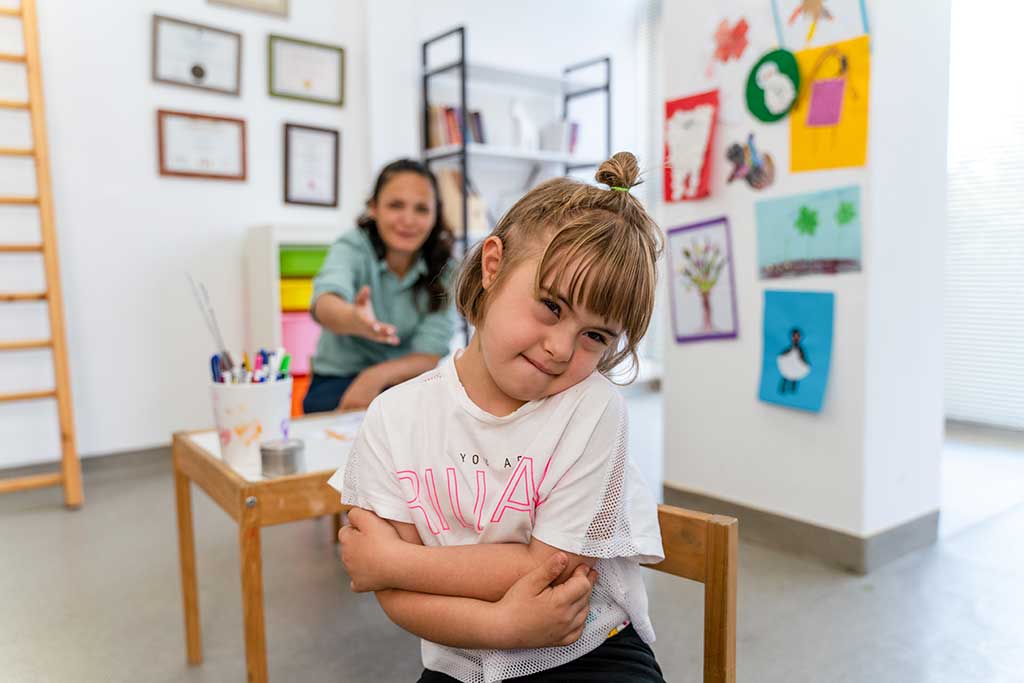
Many emotional outbursts in preschoolers stem from an inability to communicate effectively. When children can’t express what they want or how they feel, frustration builds quickly.
Speech therapy for preschoolers helps reduce these challenges by teaching children how to:
As communication improves, children often experience fewer meltdowns and a greater sense of emotional control.
Supporting Social Skills and Peer Relationships
Preschool is when children begin forming friendships and learning how to interact socially. Communication challenges can make this difficult, leading to isolation or difficulty joining play.
Speech therapy supports social development by helping children learn to:
These skills are essential for building friendships and feeling connected. Strong social skills also contribute to emotional security and a sense of belonging.
Helping Children Express and Understand Emotions
Another key emotional benefit of speech therapy is helping children identify, express, and understand emotions, both their own and others’.
Speech-Language Pathologists (SLPs) often work on:
When children can label and express emotions, they are better equipped to regulate their feelings and respond calmly to challenges.
Encouraging Independence and Self-Advocacy
Preschoolers are learning to become more independent, but communication difficulties can make this hard. Children may rely heavily on adults or avoid tasks they find challenging.
Speech therapy empowers children to:
This independence builds self-esteem and emotional resilience: skills that will benefit them well beyond preschool.
A Safe Space for Emotional Growth
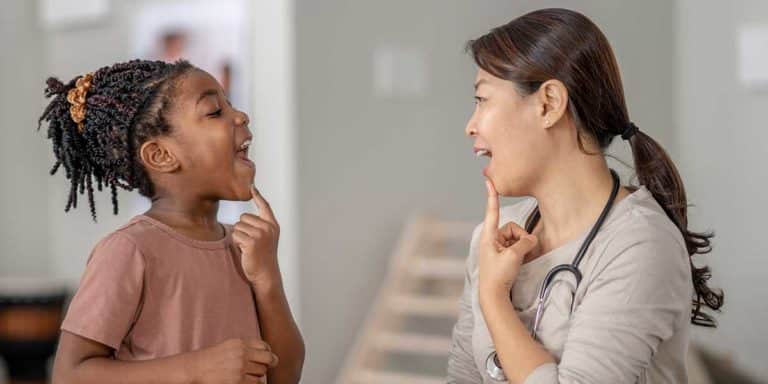
Speech therapy sessions are often play-based, engaging, and child-centered. This environment allows children to:
For many children, therapy becomes a space where they feel understood and encouraged, which positively impacts emotional development.
Strengthening Emotional Regulation Skills
A significant yet often overlooked aspect of speech therapy for preschoolers is its role in supporting emotional regulation. When children better understand language and express their thoughts, they are better able to manage strong emotions in healthy ways. Speech therapy helps children learn words and phrases that describe how they feel, giving them alternatives to emotional outbursts or withdrawal.
Speech-Language Pathologists also help children practice calming strategies through structured play, routines, and predictable language. This allows preschoolers to feel more secure and prepared when faced with new or challenging situations. Over time, children learn that emotions are manageable and that they have the communication tools to cope.
Improving Classroom Readiness and Emotional Safety
The emotional benefits of speech therapy extend into the preschool classroom, where communication demands increase. Children are expected to follow group instructions, participate in activities, and interact with peers. Speech therapy helps preschoolers feel emotionally safe in these environments by strengthening their ability to understand expectations and express themselves clearly.
When children feel understood by teachers and peers, they are more likely to engage, ask questions, and participate confidently. This sense of belonging reduces anxiety and supports emotional well-being, making transitions into structured learning settings smoother and more positive.
Empowering Parents to Support Emotional Growth
Speech therapy doesn’t stop at the therapy room. Many SLPs actively involve parents by sharing strategies that can be used at home to support communication and emotional development. This collaboration strengthens the child’s progress and helps parents feel confident in supporting their child’s needs.
By reinforcing language skills during daily routines, parents contribute to long-term emotional success. This partnership amplifies the emotional benefits of speech therapy, ensuring that preschoolers receive consistent, meaningful support across all environments.
Long-Term Social-Emotional Benefits
The social-emotional skills developed through speech therapy for preschoolers extend beyond communication. They support:
Early intervention helps children build a strong foundation, reducing the risk of ongoing social or emotional difficulties later in life.
Final Thoughts
While speech therapy is often associated with improving communication skills, its impact goes much deeper. The emotional benefits of speech therapy include increased confidence, reduced frustration, stronger social connections, and healthier emotional expression.
By addressing communication challenges early, speech therapy for preschoolers supports not just how children speak, but how they feel, connect, and grow.
Contact our speech and language therapists to get your preschooler started today.