
Speech & Language Milestones: What’s Typical at Ages 2, 3, 4, and 5?
Parents often wonder whether their child’s communication is “on track.” While every child develops at their own pace, knowing speech and language milestones by age can help you understand what’s typical and when it may be time to seek extra support.
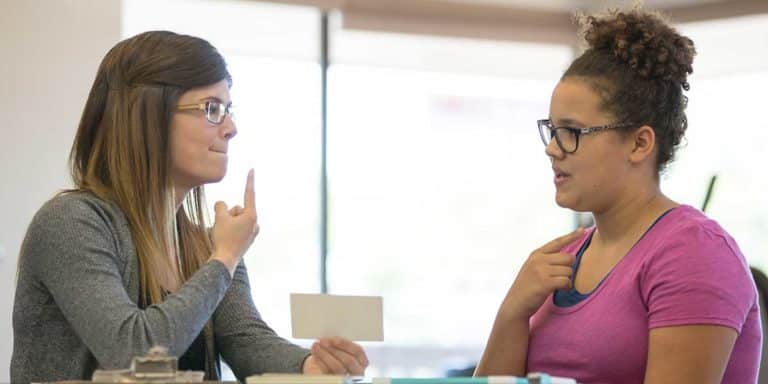
This guide, developed by our clinical team at TPI Therapeutic Potential, breaks down development for 2-, 3-, 4-, and 5-year-olds. If you ever feel your child is falling behind these markers, our pediatric speech and language therapy specialists in Sarasota and Bradenton are here to help.
Speech And Language Milestones By Age: Why They Matter
It is important to understand that speech and language aren’t the same thing:
Tracking language milestones for preschoolers helps parents notice patterns early, especially if frustration, behavior challenges, or social struggles are tied to communication.
Speech Milestones Age 2: What’s Typical At Two?
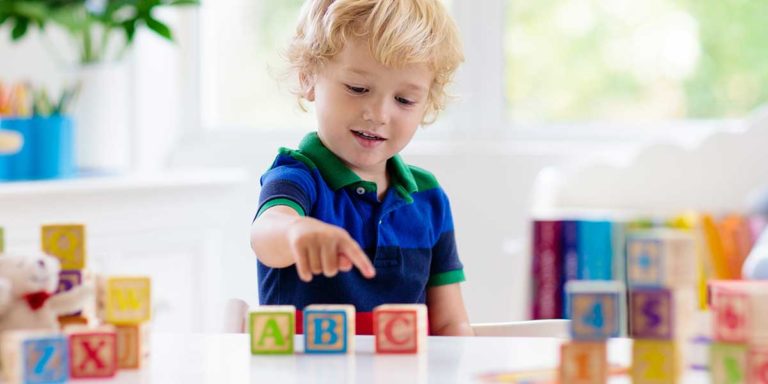
At age 2, children are moving from single words to short phrases.
Speech Milestones Age 3: What’s Typical At Three?
Three-year-olds begin using sentences and asking questions. This is a big year for our pediatric programs, as social communication becomes more complex.
Speech Milestones Age 4: What’s Typical At Four?
By age 4, children are storytelling beginners.
Speech Milestones Age 5: What’s Typical at Five?
At age 5, children should be ready for kindergarten-style communication.
How to Support Development and When to Seek Help
You can support these milestones by describing your daily routines, reading daily, and offering choices. However, if you notice your child is difficult to understand compared to peers or has frequent meltdowns due to communication frustration, it may be time for a professional perspective.
At TPI, we make the getting started process simple for families in Lakewood Ranch and the surrounding areas. Our About Us page highlights our multidisciplinary approach to ensuring every child reaches their full potential.