
Multisensory Techniques for Speech & Language Growth
Children learn best when they can see, hear, touch, move, and interact with the world around them. While traditional learning often focuses on listening and speaking, many children benefit from using multiple senses at the same time. This approach, known as multisensory learning, can be especially effective for communication development.
By engaging several senses during learning, children are often better able to process information, retain new skills, and participate more actively in therapy and daily routines. This is why many speech-language pathologists incorporate multisensory speech and language techniques into therapy sessions and home recommendations.
Understanding how these strategies work can help parents support communication growth in fun, meaningful ways.
What Is Multisensory Learning?
Multisensory learning involves using more than one sense at a time to learn and practice new skills.
Children may use:
Instead of only listening to information, children experience language through multiple channels. This can make learning more engaging and easier to remember.
For example, a child learning a new vocabulary word may:
The more ways a child experiences language, the more opportunities they have to learn it.
Why Multisensory Approaches Support Communication
Speech and language development involve many different skills working together. Children must:
For some children, processing language through a single method can be difficult.
Using multisensory techniques for language development helps strengthen learning by providing multiple ways to access information.
These approaches can support:
Many children become more engaged and confident when learning involves movement, visuals, and hands-on experiences.
Who Benefits From Multisensory Speech and Language Techniques?
Many children benefit from multisensory learning, including those who:
Multisensory strategies can make communication more accessible and enjoyable for a wide range of learners.
A comprehensive evaluation through pediatric speech therapy can help identify which approaches may best support your child’s communication goals.
Common Multisensory Techniques Used in Speech Therapy
Speech therapists often combine multiple senses to make learning more effective.
Visual Supports
Visual supports help children see information while they hear it.
Examples include:
Visual supports can improve understanding and reduce frustration during communication tasks.
Movement-Based Learning
Many children learn better when they move.
Speech therapists may use:
Movement can help increase attention, memory, and participation during therapy sessions.
Hands-On Activities
Touch and interaction help make language more meaningful.
Examples include:
Hands-on experiences allow children to connect language to real-world experiences.
Auditory Learning
Listening remains an important part of communication development.
Therapists may incorporate:
Combining auditory learning with visual and tactile experiences often improves retention.
How Multisensory Learning Supports Speech Sound Development
Children learning new speech sounds often benefit from seeing, hearing, and feeling how sounds are produced.
For example, a therapist may:
These multisensory speech and language techniques help children better understand how sounds are formed and used in words.
Supporting Language Development Through Play
Play naturally provides multisensory learning opportunities.
Children learn language while they:
These experiences help children connect words with actions, objects, and experiences.
Many of these approaches are incorporated into personalized treatment plans through our pediatric services.
Multisensory Techniques for Language Development at Home
Parents can easily incorporate multisensory strategies into everyday routines.
During Reading
Encourage children to:
This helps reinforce vocabulary and comprehension.
During Mealtime
Use opportunities to:
Mealtime naturally engages multiple senses.
During Play
Add language to activities by:
Play-based learning often feels natural and motivating for children.
Easy Ways to Incorporate Multisensory Learning at Home
Parents do not need special materials to incorporate multisensory learning into daily routines. Many everyday activities already use multiple senses at the same time.
For example, children can practice language while:
These activities help children connect words to real experiences.
A child who hears a new word while touching, seeing, and using an object often remembers it more easily. This is one reason multisensory strategies can enhance learning and support communication growth.
Simple activities can make a big difference over time.
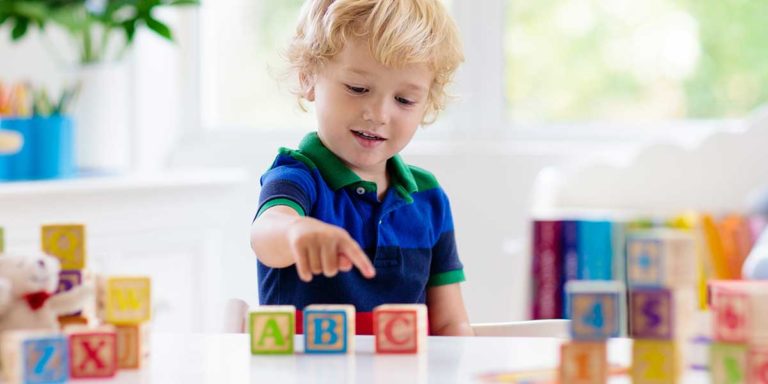
Using Letter Tiles to Build Language Skills
Many families use letter tiles when working on early literacy skills. Letter tiles allow children to see, touch, and move letters while learning sounds and words.
Children can:
Because children physically move the letters, learning becomes more interactive.
Speech therapists often use hands-on activities like letter tiles to strengthen both language and reading readiness skills.
Children who learn best through movement and touch often respond well to these activities.
Why Multisensory Learning Helps Children Stay Engaged
Some children have difficulty sitting and listening for long periods of time.
Multisensory activities help keep children involved because they actively participate in learning.
Instead of only hearing information, children:
This active participation can improve attention and motivation.
When children enjoy learning activities, they often practice skills more frequently. More practice creates more opportunities for growth.
Small Changes Can Enhance Learning Every Day
Parents sometimes worry that supporting speech and language development requires complicated activities. In reality, simple routines often work best.
You can enhance learning by:
These simple strategies create meaningful opportunities for communication throughout the day.
The goal is not perfection. The goal is to create fun, engaging experiences that naturally support speech and language growth.
The Connection Between Multisensory Learning and Literacy
Many skills that support language also support reading development.
Multisensory learning can strengthen:
Children who benefit from hands-on learning may also benefit from additional reading intervention services.
Why Consistency Matters
Children learn best through repetition and practice.
Using multisensory techniques consistently across:
helps reinforce communication skills and support long-term growth.
Even small opportunities to engage multiple senses can make a meaningful difference over time.
If you’re wondering how to support your child’s communication skills, our Getting Started process provides a simple way to connect with a specialist and learn more about available services.
When to Seek Additional Support
Consider professional support if your child:
Early intervention can help children develop stronger communication skills while building confidence and independence.
If you have questions about your child’s speech or language development, you can Contact Us to speak with our team.
Final Thoughts
Children learn in different ways, and many benefit from opportunities to see, hear, touch, and move while learning.
Using multisensory speech and language techniques helps make communication more meaningful, engaging, and effective. Whether through play, movement, visuals, or hands-on activities, these strategies support stronger language development and greater confidence.
By incorporating multisensory techniques for language development into therapy and daily routines, parents and therapists can help children build lasting communication skills.